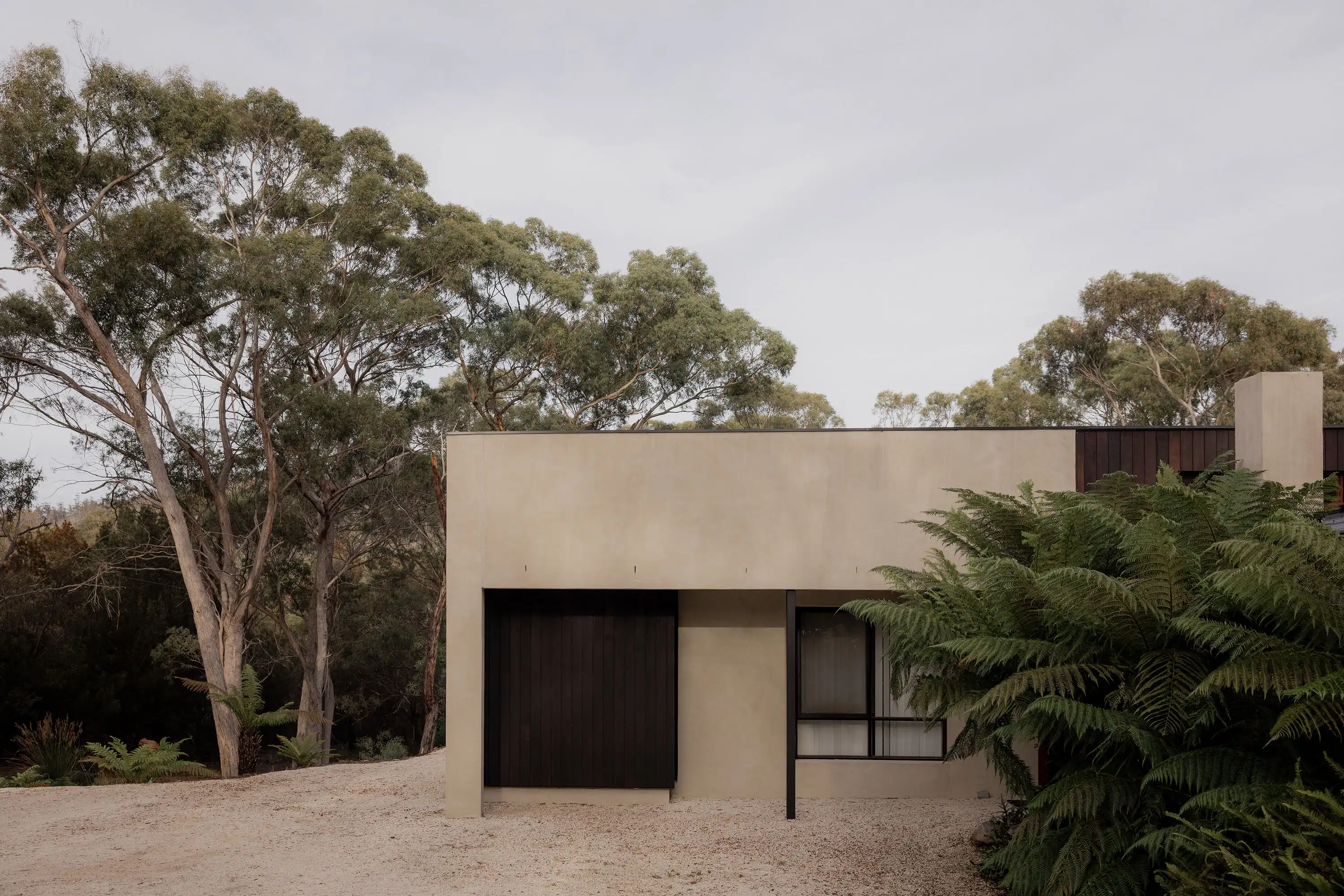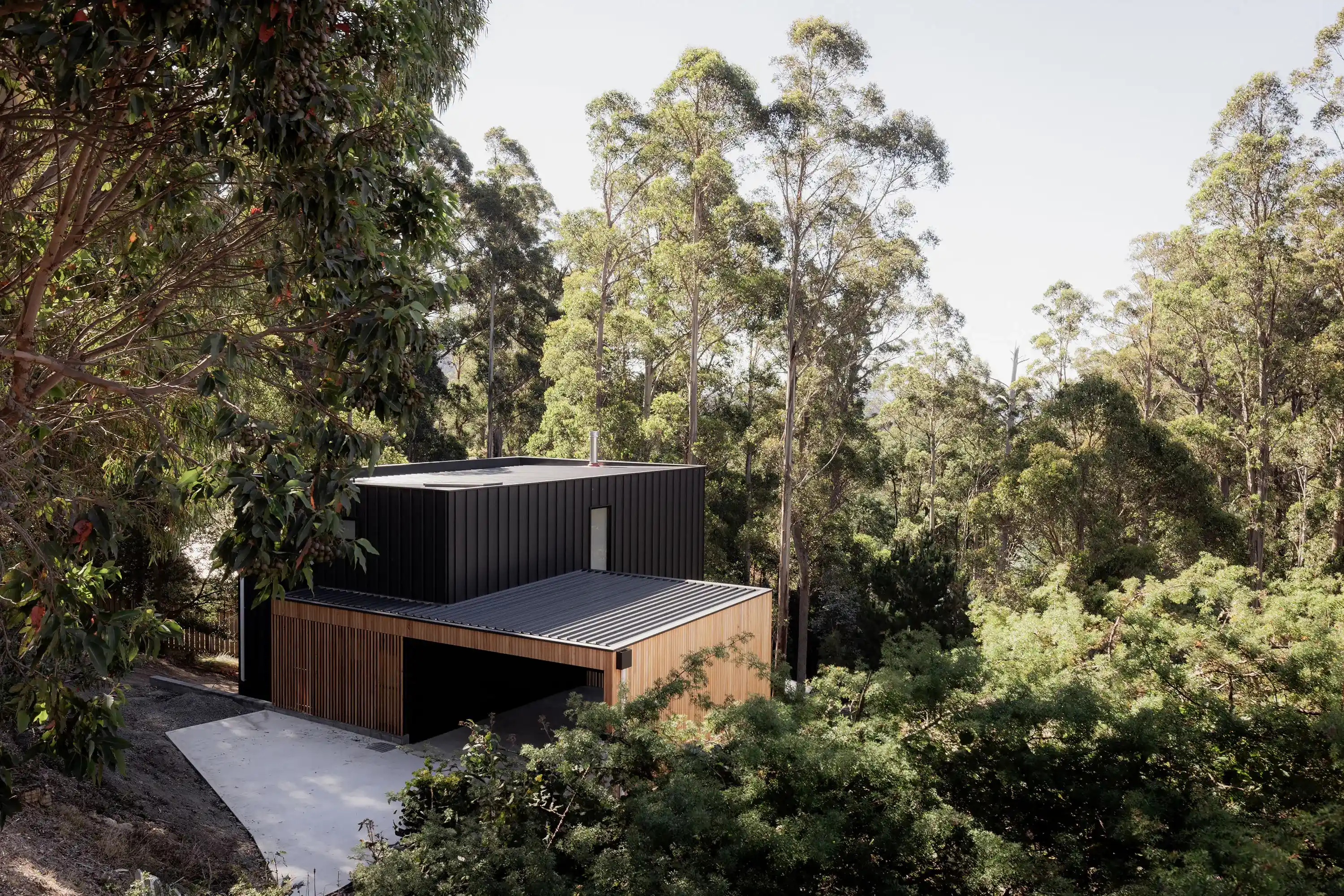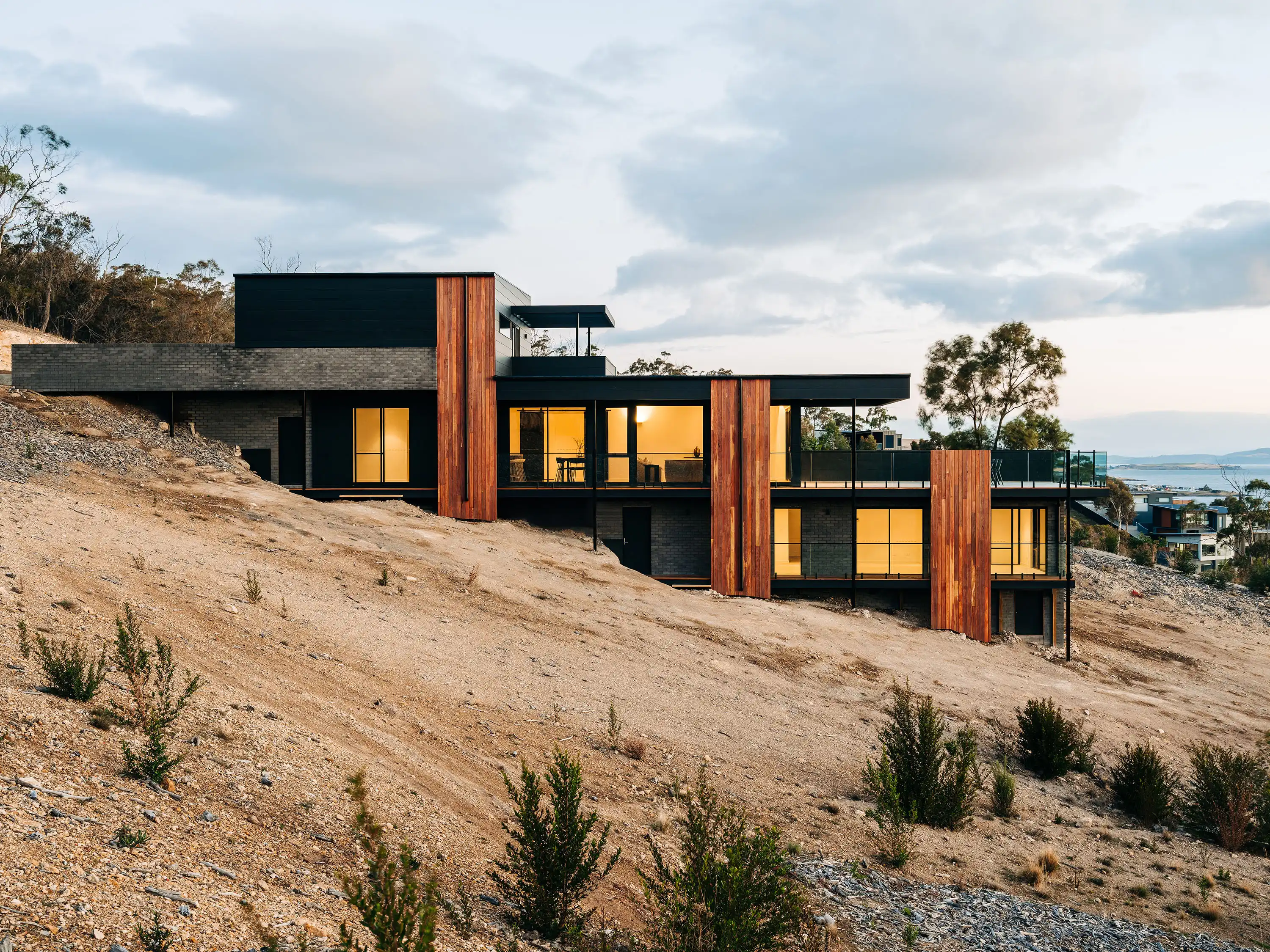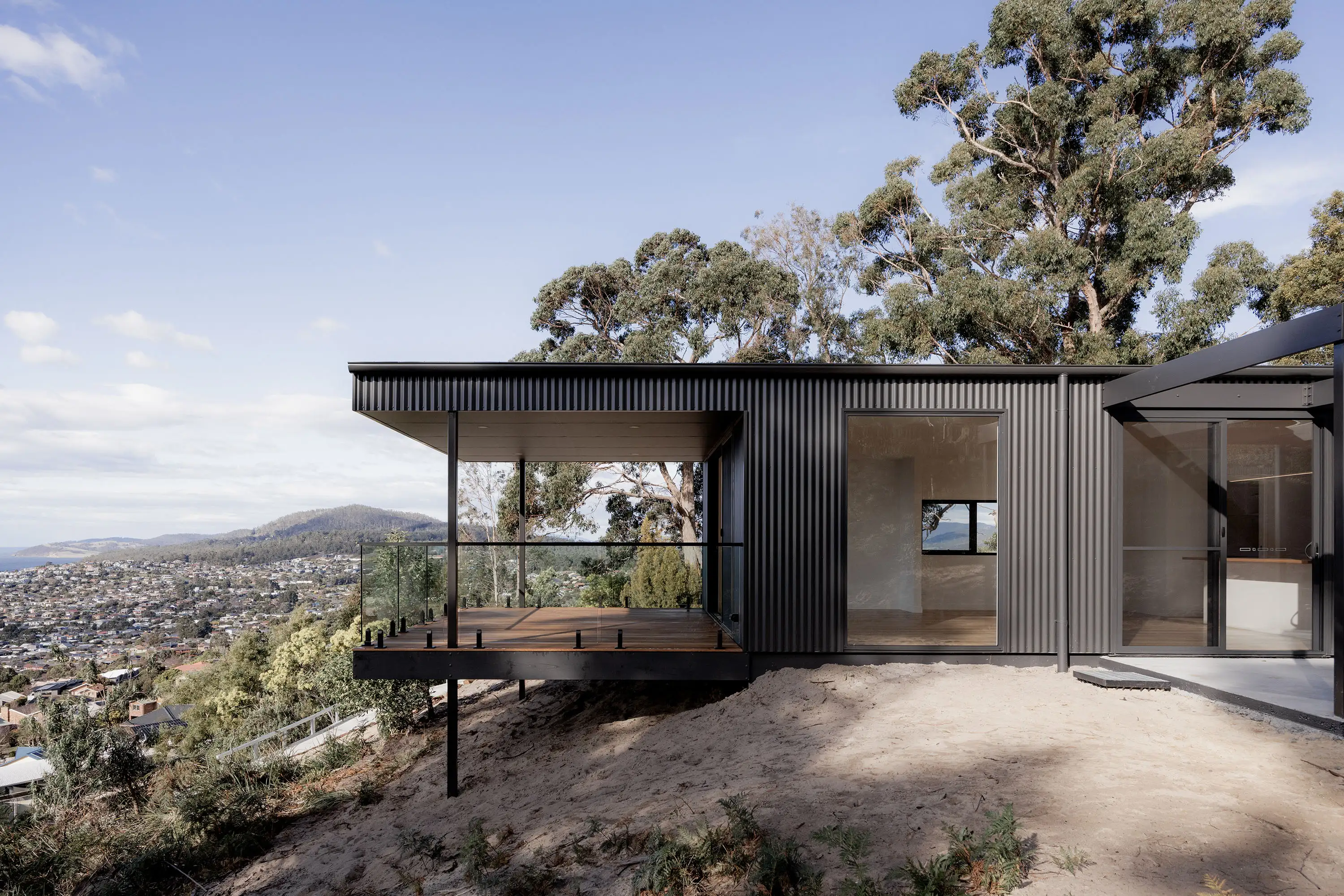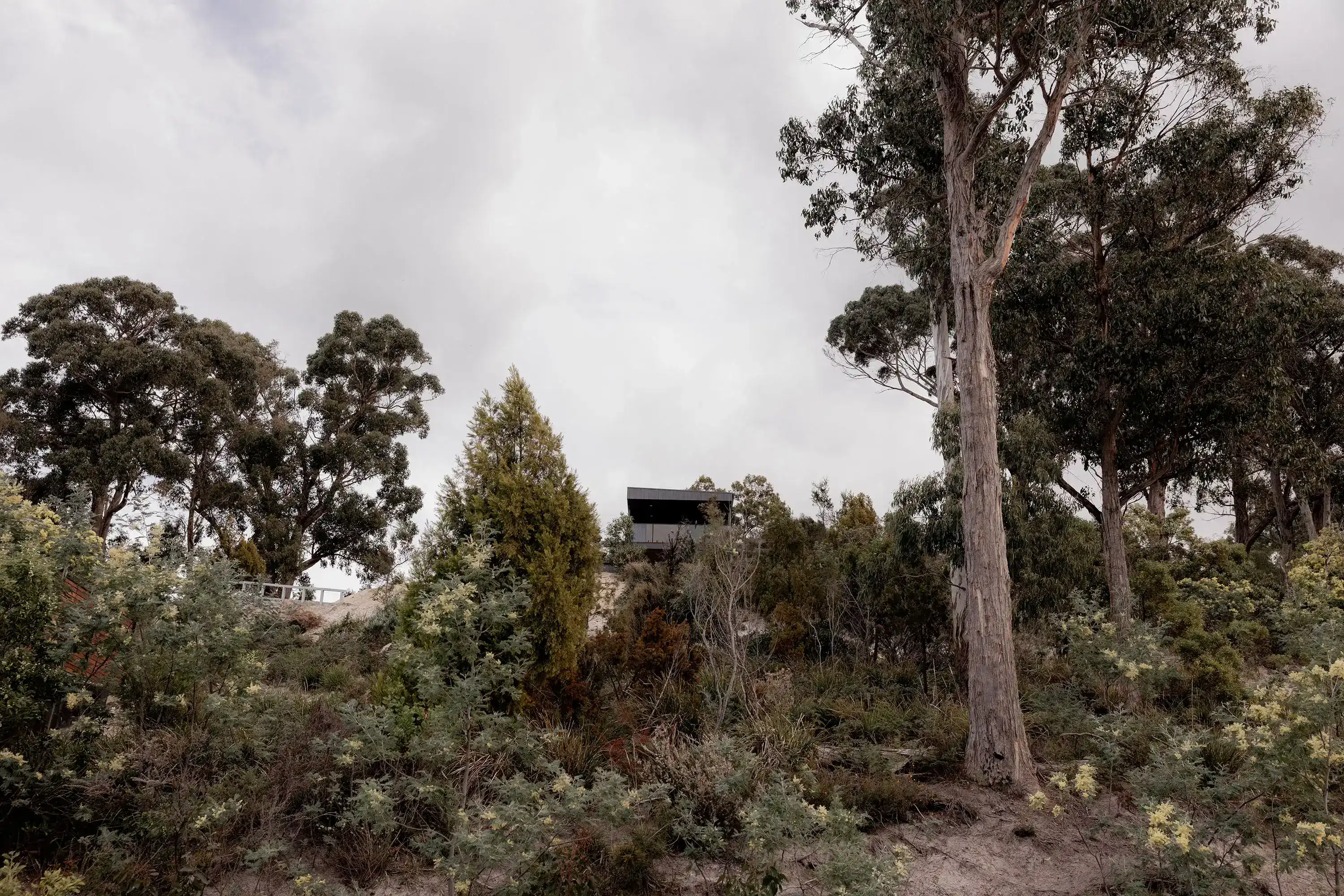
As residential construction transitions to a mandatory 7-star NatHERS energy rating and popularity for European Passivhaus standards increase, building for Tasmania’s harsh and cool climates (NCC Climate Zones 7 and 8) requires a precise approach to insulation, design and prioritisation.
To maintain internal comfort during a Tasmanian winter without relying heavily on artificial heating, a building must be treated as a unified system with conflicting demands. This relies on several core principles:
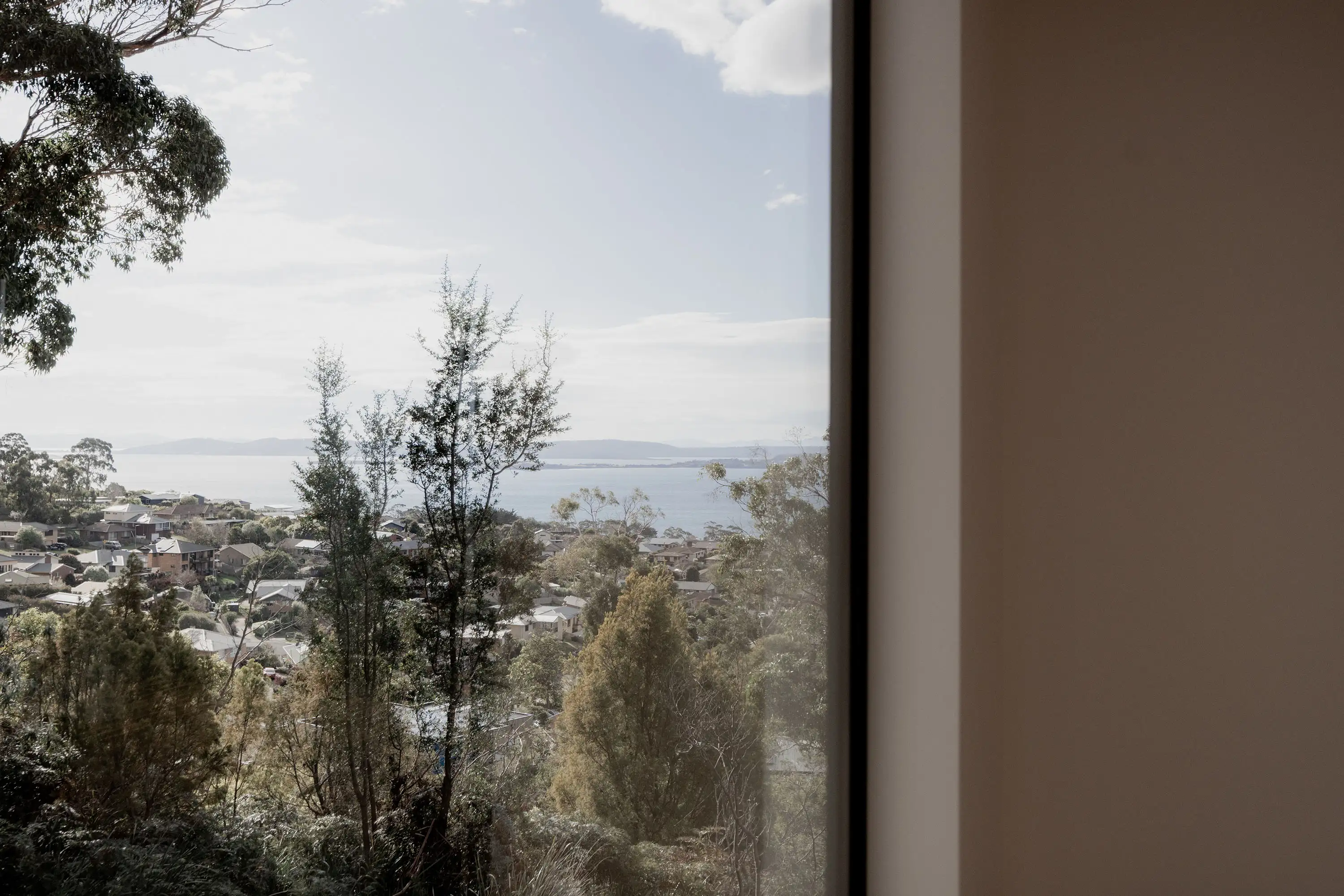
Passive Solar Orientation: Maximising windows with Northern aspect allows the low winter sun to enter deep into the home, providing passive warmth while balancing south facing glazing where in southern Tasmania there is often impressive views.
Mitigating Thermal Bridging: Metal framing allows heat to escape through the structure to the outside air in a process known as thermal bridging. Addressing this requires maximising the use of timber framing, smart cavity details and high-performance insulation.
Airtightness and Glazing: Double glazing is a must and should be paired with careful air sealing. Uncontrolled drafts can account for up to 25% of a home’s heat loss.
While energy ratings measure operational energy (the electricity used to run the home), they overlook embodied energy, the carbon footprint required to manufacture, transport, and assemble the building and its materials.
A holistic approach to sustainability looks at both metrics. A home can be incredibly efficient to heat, but if it uses high-emission materials sourced from overseas that require frequent maintenance or replacement, its net environmental impact remains high.
Material Selection for the Tasmanian Landscape
Focusing on sustainability means prioritising durable materials that require minimal maintenance in our harsh UV and maritime environments.
Robust Shells: Utilizing robust metal claddings provides a highly durable exterior skin that withstands weathering without requiring regular painting or sealing. This philosophy guided the construction of the Corrugated Cabin (recognized as a National HIA GreenSmart Sustainable Home Finalist) and the Spring Beach project (awarded the 2025 HIA Tasmanian Custom Built Home up to $750,000).
Natural Textures: Pairing resilient metal exteriors or classic weatherboard profiles such as James Hardie Linea with sustainably sourced Australian timbers creates a balanced aesthetic that feels grounded in the local landscape and the lifestyle of differing suburbs.
True sustainability is found where low operational energy, low embodied energy, and long-term material durability intersect. When a home is designed with its full lifecycle in mind, it stays warm, minimises waste, and retains its value for generations.